Auction Wednesday November 25 2026 at 18:00
Lærum, Borghild Røed(1877-1959)
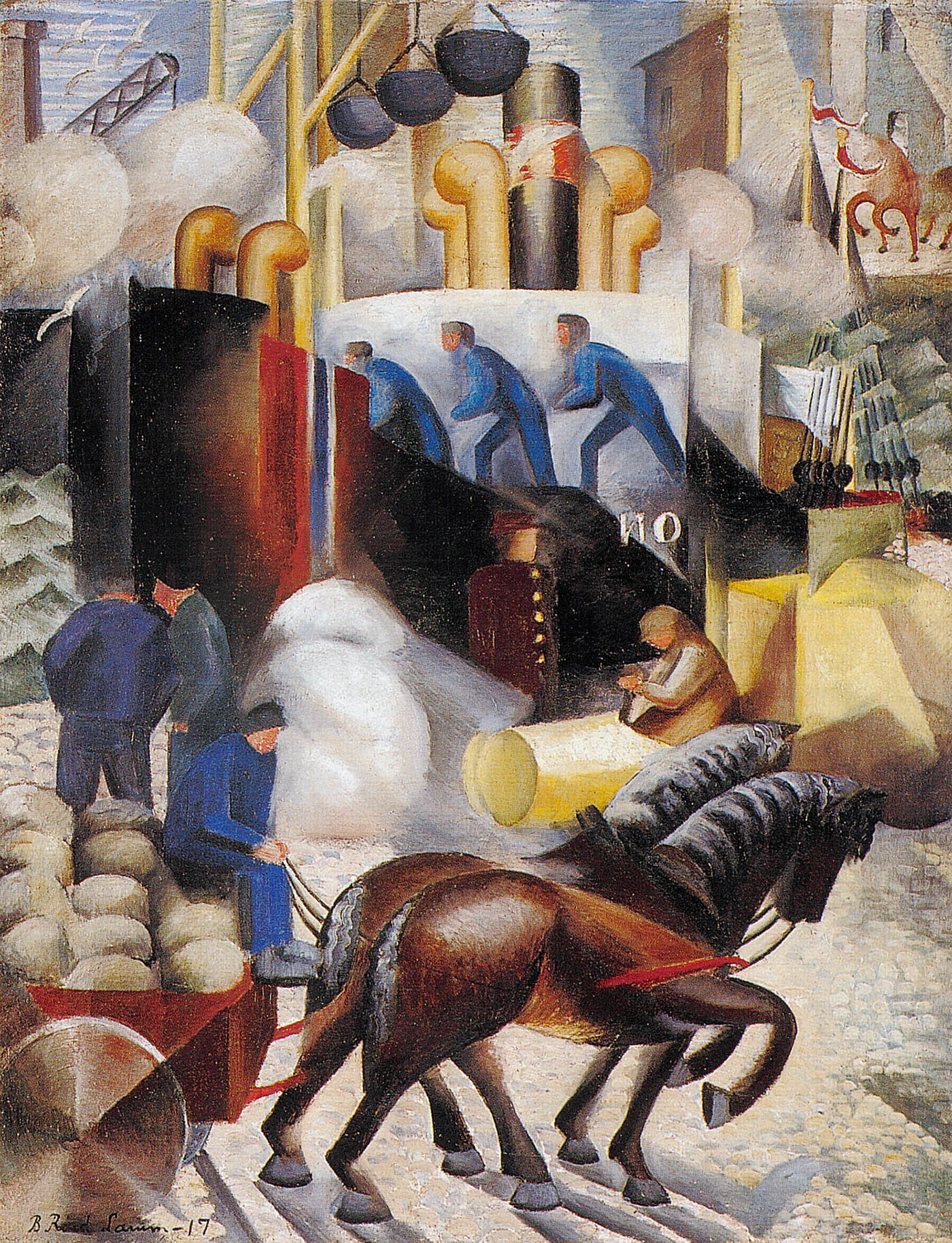
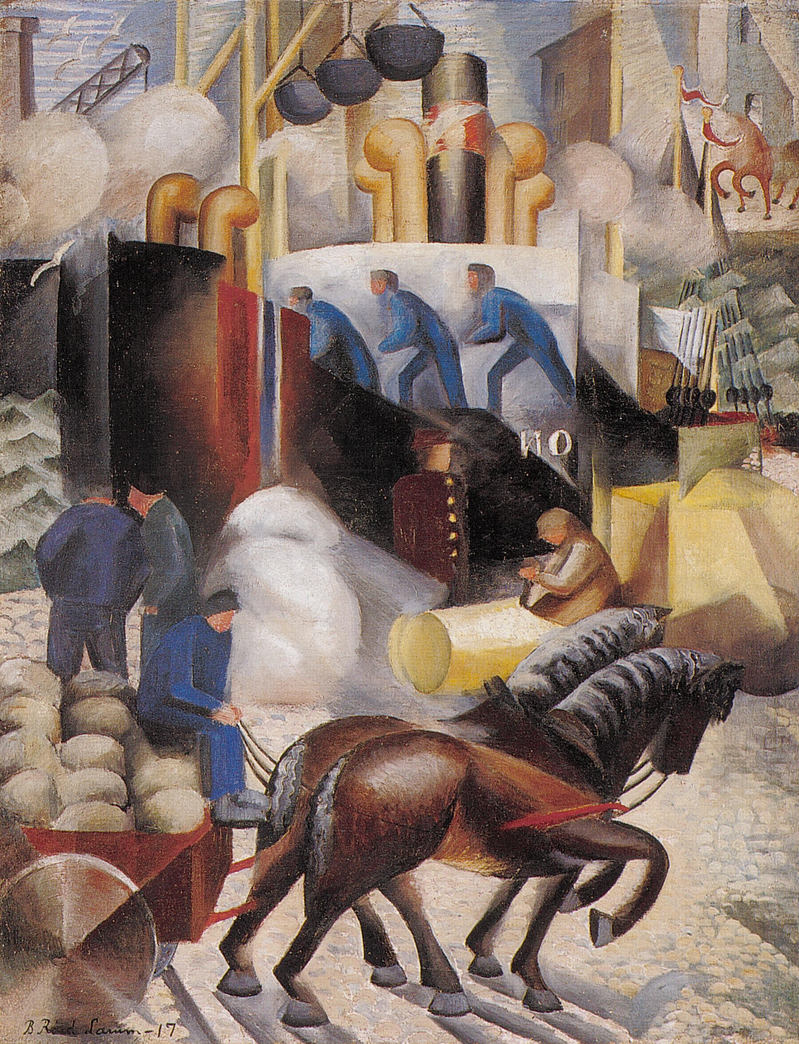
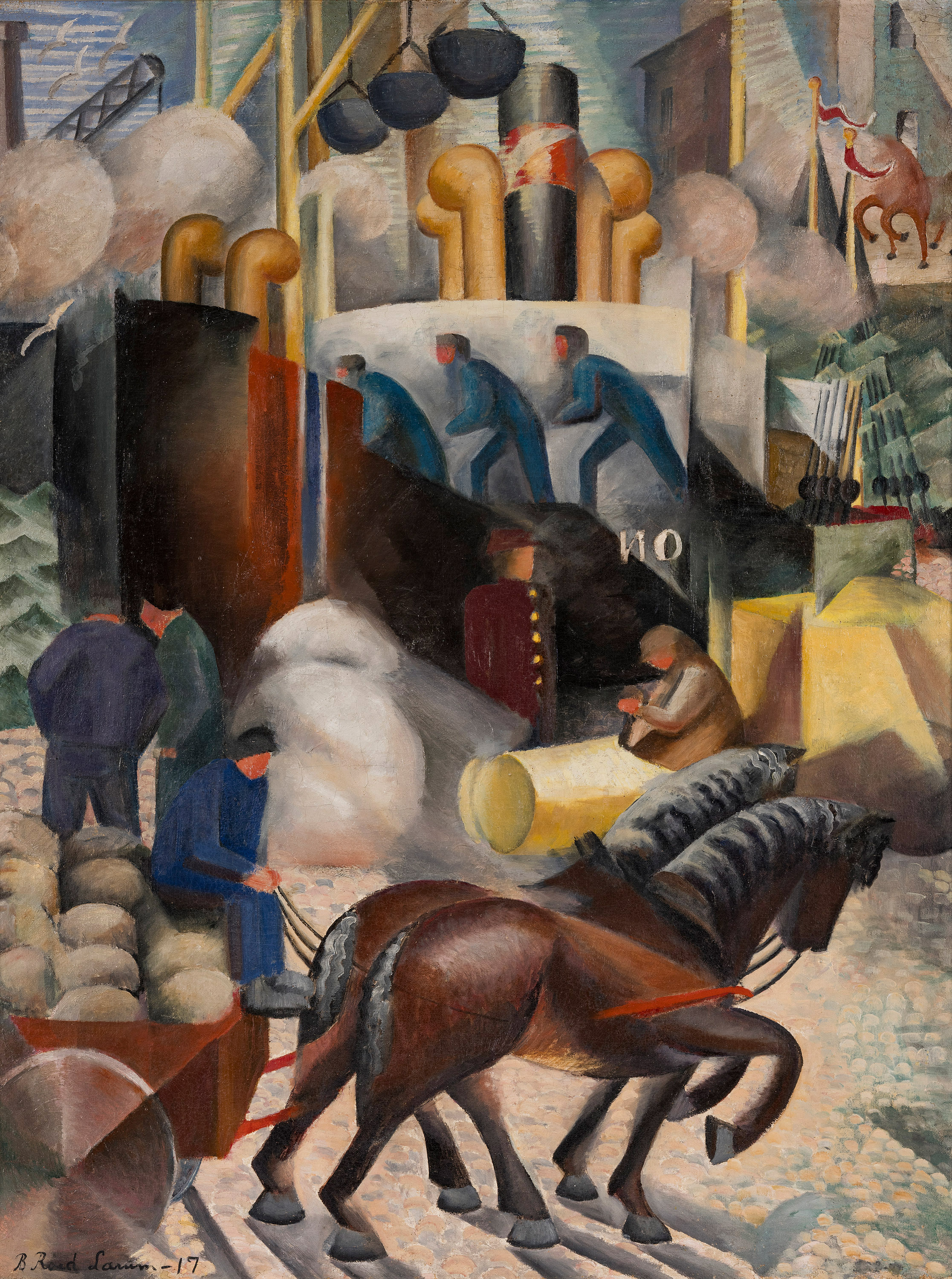
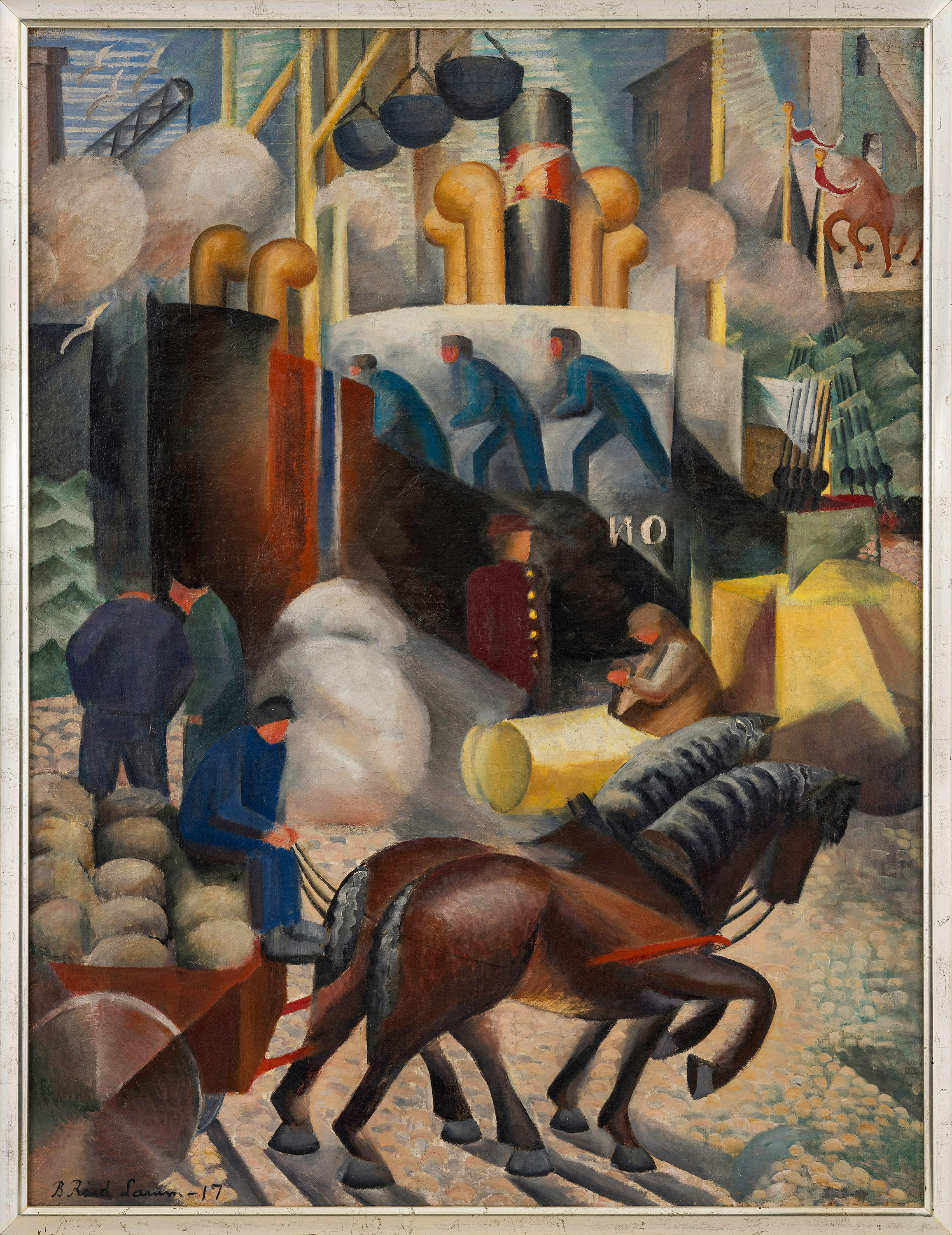
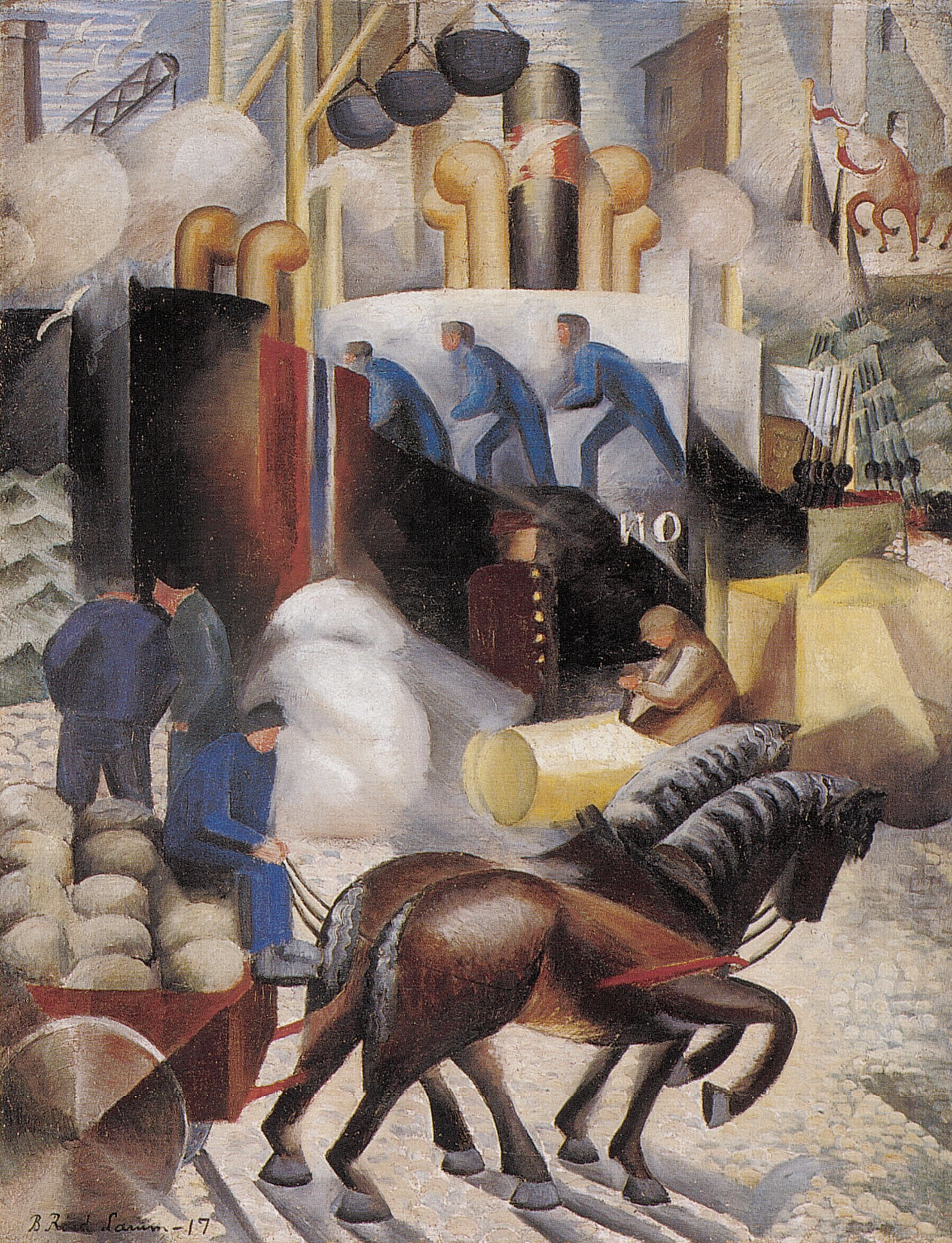
Vestbanebryggen 1917

Oil on canvas
114x86
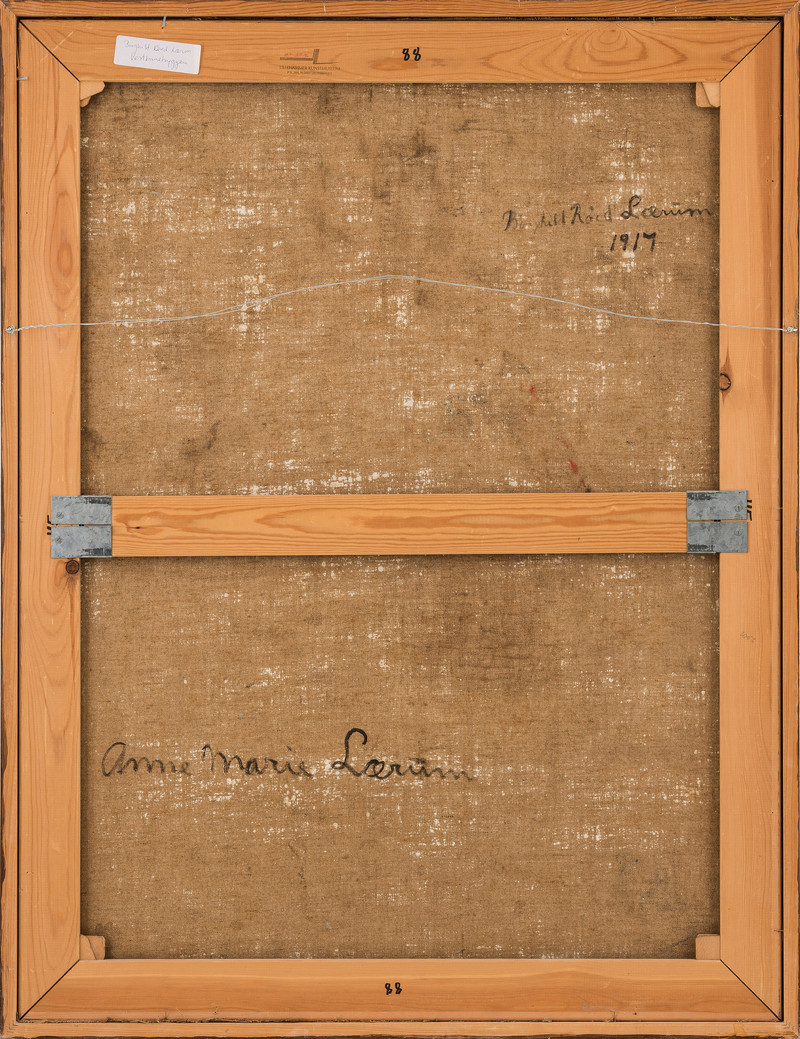
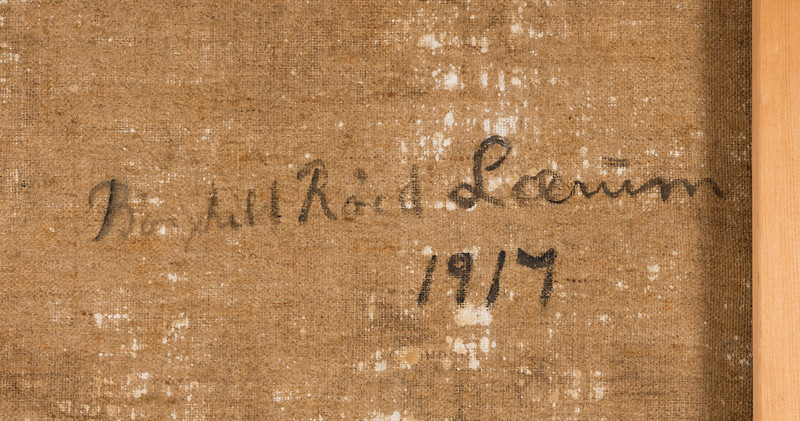
Signed lower left: B Röed Lærum-17

Exhibited:

"Borghild Røed Lærum - En tidlig norsk kubist [Borghild Røed Lærum: An Early Norwegian Cubist]", cat. no. 17, titled “Vestbanebryggen 1917” [Vestbane Pier, 1917]: Lillehammer Kunstmuseum, Lillehammer, 19 April-19 May 1996.

"Moderne Kvinner. Kvinnelige malere i Norden 1910-1930 [Modern Women: Women Painters in the Nordic Countries 1910-1930]", cat. no. 66:
Gammel Strand, Copenhagen, 28 October 2006-28 January 2007
Göteborgs konstmuseum, Gothenburg, 28 February-27 May 2007
Trondheim Kunstmuseum, Trondheim, 1 July-7 October 2007

Estimate
NOK 1,000,000–1,500,000USD 104,900–157,400EUR 94,700–142,000

Coming up for sale Wednesday November 25 2026 at 18:00

Registration to place bids

Buyers will have to register before bidding. Commission bids and registration to bid by telephone must be submitted no later than three hours prior to the start of the auction.

Vestbanebryggen 1917

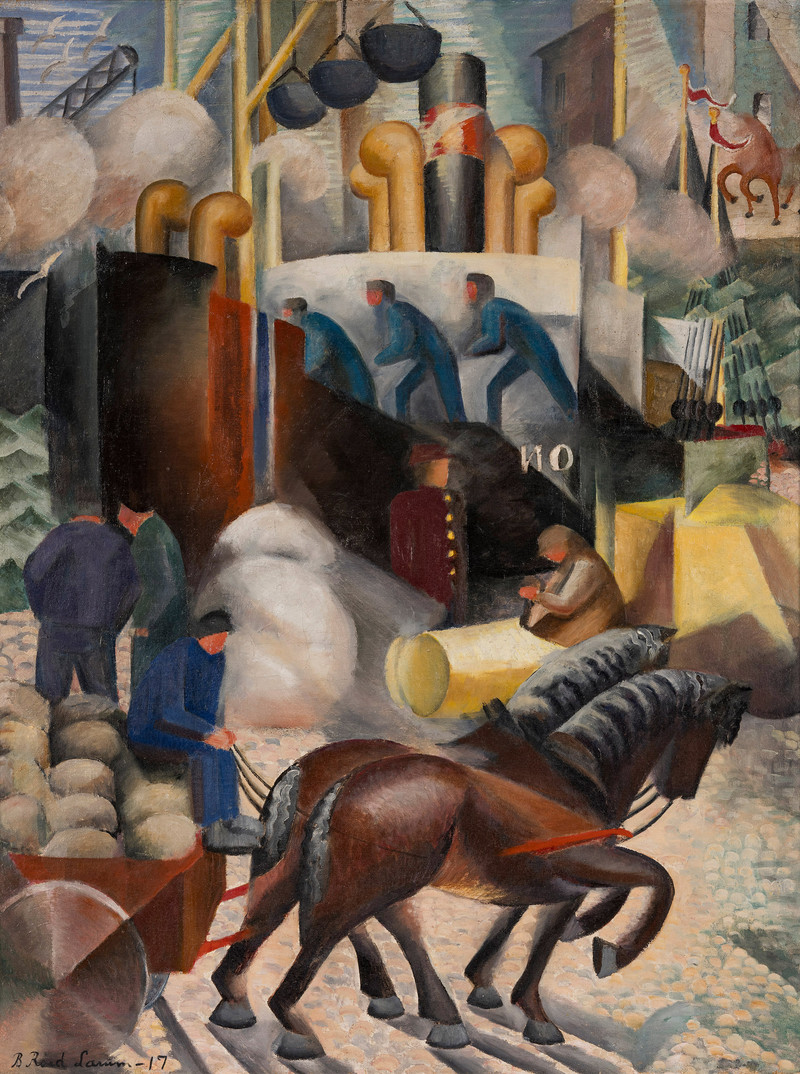
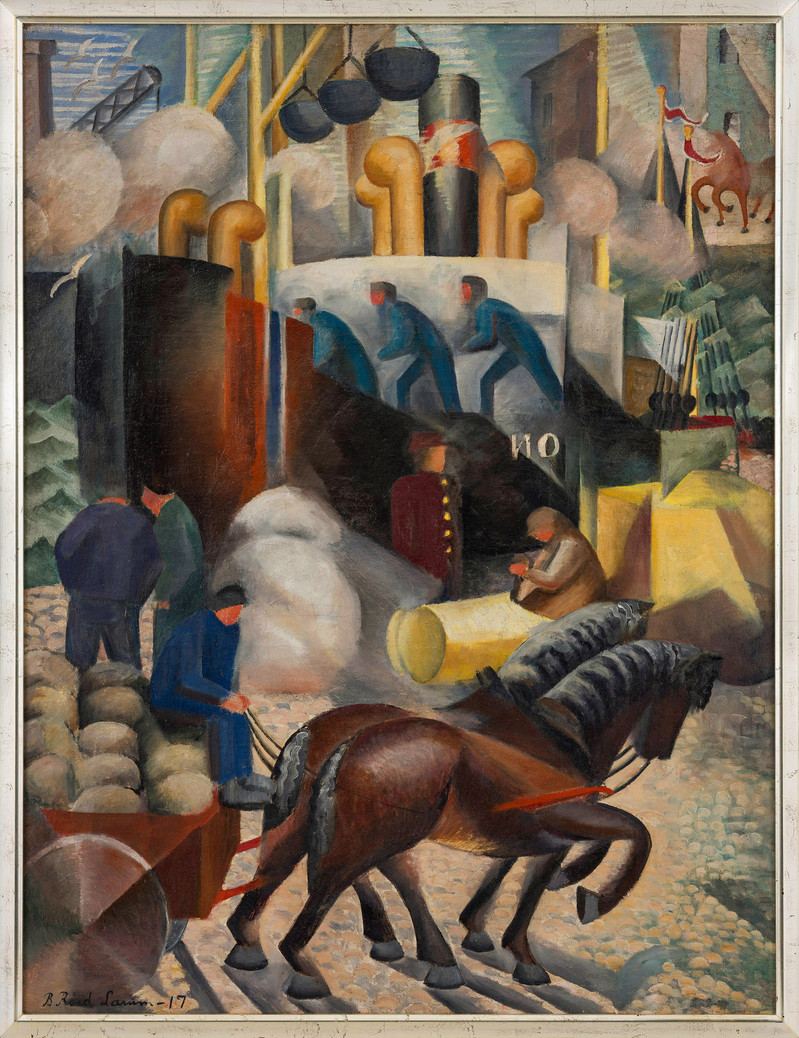
Following her studies with Fernand Léger in Paris, Borghild Røed Lærum (1877–1959) developed a simplified and forceful visual language inspired by Cubism. This can be seen in Vestbanebryggen, 1917, where Røed Lærum turns her gaze to the people who builds the modern society. Here, workers are portrayed as the driving force of an era marked by growth, technological development, and faith in the future.

The motif is infused with movement and energy. The bodies work in unison, and the geometric forms give the composition a rhythm that underscores collective effort and forward momentum. The workers appear not merely as individuals, but as part of a larger community that builds infrastructure, creates connections, and shapes tomorrow’s society.

In her depictions of the construction of Vestbanebryggen (Oslo), labour becomes a symbol of progress and modernisation. Røed Lærum highlights the importance of the working class in the development of society, and conveys the optimism about the future that characterised the early twentieth century. At the same time, the stylised figures and the mechanical visual idiom give an impression of efficiency and power, in which human beings and technology drive society forward.